
Understanding the psychological factors behind gambling behavior in casinos
The Allure of Chance and Uncertainty
The thrill of gambling is deeply rooted in the human psyche, often driven by the allure of chance and uncertainty. People are naturally drawn to the unpredictable outcomes that games of chance present. This attraction can be traced back to evolutionary psychology, where risk-taking behaviors may have conferred survival benefits. In a casino setting, the prospect of winning against the odds generates excitement and stimulates the brain’s reward pathways, often leading to a compelling urge to gamble. Many find value in exploring betting sites free bets no deposit for maximizing their winning potential.
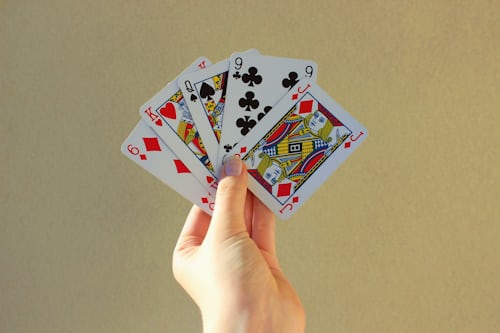
This excitement is further amplified by the atmospheric elements of casinos, such as lights, sounds, and social interactions. These sensory stimuli create an immersive environment that enhances the emotional response to gambling. Many players experience an adrenaline rush when they place their bets, which can lead to a heightened sense of enjoyment and anticipation. This combination of chance and sensory stimulation often results in a cycle of engagement, where the thrill of the game keeps players returning for more.
Moreover, the psychological phenomenon known as “near-misses” can contribute significantly to gambling behavior. When players experience outcomes that are close to a win, their brains release dopamine, reinforcing the desire to continue playing. This creates a perception that a win is just around the corner, encouraging players to chase losses and invest more time and money into the gaming experience. Understanding this intricate relationship between chance and reward is crucial in analyzing why many find themselves entrenched in gambling behaviors.
Social Influences on Gambling Behavior
The social aspect of gambling is a powerful motivator that can shape individual behavior. Casinos often serve as social hubs where friends and strangers come together to share in the excitement of gaming. This communal experience can amplify the enjoyment of gambling, making it not just a solitary activity but a social event. The presence of peers can encourage individuals to gamble more than they might alone, as group dynamics often foster a sense of camaraderie and shared thrill.
Additionally, the normalization of gambling in social settings can influence behavior significantly. For many, seeing others win can create a perception that success is attainable, further fueling the desire to gamble. This phenomenon is often enhanced by media portrayals of gambling that glorify high-stakes winners, thereby reinforcing the belief that winning is within reach. Consequently, individuals might feel pressured to participate, leading to impulsive decisions driven by social norms.
The role of social cues extends beyond peer influence; it also encompasses how casinos design their environments. By encouraging interaction among players through game designs and layout, casinos create a vibrant social atmosphere that promotes extended gambling sessions. This social reinforcement can lead to an increased risk of developing problematic gambling behaviors, as players are influenced by both their companions and the lively surroundings of the casino floor.
The Role of Cognitive Biases in Gambling
Cognitive biases play a critical role in shaping gambling behavior. One common bias is the “gambler’s fallacy,” which is the belief that past outcomes will influence future events in random games. For example, a player might assume that after a series of losses, a win is more likely to occur. This misinterpretation of probability can lead to more significant financial risks, as players chase their perceived “luck” without understanding the randomness inherent in gambling.
Another significant bias is the illusion of control, where gamblers believe they can influence the outcome of random games. This belief can lead individuals to develop strategies or rituals that they think increase their chances of winning. For instance, a player might insist on wearing a particular shirt or performing specific actions before placing bets. This sense of control can enhance their emotional investment in the game, even when the outcomes remain fundamentally random.
Moreover, the concept of loss aversion further complicates cognitive biases in gambling. Players often experience a stronger emotional reaction to losses than to equivalent gains. This heightened sensitivity can result in individuals gambling more in an attempt to recover from losses, perpetuating a cycle that can lead to severe financial consequences. By understanding these cognitive biases, stakeholders can develop strategies to mitigate their impact and promote responsible gambling practices.
The Emotional and Psychological Impact of Gambling
The emotional ramifications of gambling are profound and multifaceted. While many individuals engage in gambling as a source of entertainment, others may face emotional challenges stemming from their experiences. The thrill of winning can create temporary feelings of euphoria, but these highs can quickly turn into lows when losses are incurred. This emotional rollercoaster can contribute to stress, anxiety, and even depression among individuals who gamble regularly.
For some, gambling becomes a means of escape from everyday stressors. The intense focus required during gameplay can provide a temporary reprieve from personal challenges, leading individuals to gamble more as a coping mechanism. However, this escapism can spiral into dependency, where gambling becomes the primary outlet for managing emotions. This behavior can isolate individuals from their support networks, exacerbating existing psychological issues.
Additionally, the stigma associated with problem gambling can prevent individuals from seeking help. Many people fear judgment or ridicule, leading them to conceal their gambling habits from friends and family. This silence can further entrench the emotional struggles they face, making it increasingly challenging to break the cycle of gambling. Understanding the emotional landscape surrounding gambling behavior is essential for promoting awareness and encouraging those affected to seek the support they need.
Exploring Responsible Gambling Resources
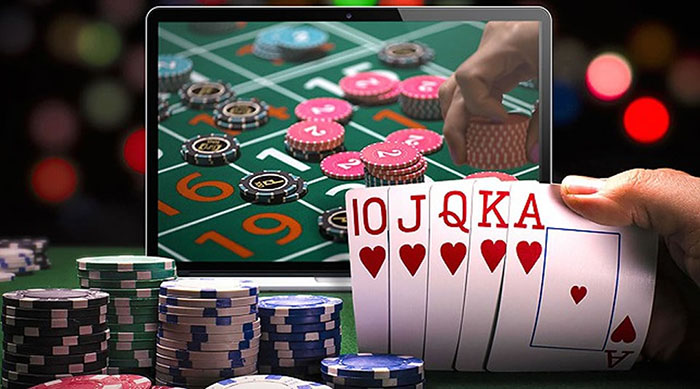
Understanding the psychological factors behind gambling behavior is essential for fostering responsible gambling practices. Numerous organizations and resources are dedicated to providing support and information to individuals seeking to manage their gambling activities. These platforms offer educational materials that highlight the psychological aspects of gambling, helping individuals recognize the signs of problematic behavior and encouraging them to make informed decisions.
Furthermore, many casinos are now implementing responsible gambling initiatives aimed at promoting safe gaming environments. These efforts may include training staff to recognize signs of gambling-related distress, providing self-exclusion programs, and offering resources for individuals seeking help. By creating a culture of awareness and support, both casinos and players can work together to minimize the risks associated with gambling.
Engaging with responsible gambling resources is vital for individuals who find themselves struggling with their gambling habits. Support groups, hotlines, and educational workshops can provide essential tools and strategies for managing urges and addressing the underlying psychological factors. By prioritizing mental health and responsible gambling, individuals can enjoy the excitement of casinos while minimizing the potential for harmful behaviors.